
How many days in Krakow? Choose one, two or three
Decide how many days in Krakow suit your priorities. Compare one, two and three usable days, city visits, excursion trade-offs and travel allowances.
Choose by priorities
Use the full days to choose scope: a core visit, another district or collection, and any separate excursion.
Choices with every field
Usable time: One full day
- Sensible main scope
- Old Town orientation and one main interior or guided walk
- What to leave out first
- A distant excursion or a second full district plan
- Important condition
- Start with bags dealt with and no tight departure conflict
Usable time: Two full days
- Sensible main scope
- The core, selected interiors and a separate Kazimierz outing
- What to leave out first
- Multiple day trips
- Important condition
- Choose which visits need fixed entry before arranging both days
Usable time: Three full days
- Sensible main scope
- Two city days and one chosen excursion, or three slower city days
- What to leave out first
- A second excursion if it squeezes the city priorities
- Important condition
- Leave travel and meeting-point time around the outside visit
Usable time: Four or more full days
- Sensible main scope
- More depth, a second outside day or greater flexibility
- What to leave out first
- Nothing needs to be added merely to fill the calendar
- Important condition
- Use the extra time for the interests you actually have
Arrival and departure allowance
Count time after arrival and before departure. More hotel nights do not necessarily provide the same number of full sightseeing days.
Choices with every field
Stay description: Two nights, late arrival and early departure
- Possible usable sightseeing time
- One full day
- What to check before counting it
- Room arrival and the morning departure journey
Stay description: Three nights with two middle days free
- Possible usable sightseeing time
- Two full days
- What to check before counting it
- Whether both days are genuinely free of travel commitments
Stay description: Three nights with an early first arrival and late final departure
- Possible usable sightseeing time
- Two full days plus possible partial days
- What to check before counting it
- Luggage, entry hours and margins around travel
Stay description: Four nights with one full excursion day
- Possible usable sightseeing time
- Often room for two city days plus that excursion
- What to check before counting it
- Actual arrival and departure slots; nights alone are insufficient
Allow two full city days for a first visit that combines Old Town with a second district and a few chosen interiors. Allow a third full day if you want one excursion. One day can give you a good introduction to the core, but it calls for firm choices. This is an editorial planning recommendation, not a promise that every visitor needs the same length of stay.
When deciding how many days in Krakow to book, count time you can use rather than nights alone. A late arrival and an early departure can leave three hotel nights with only two full sightseeing days. Put those journeys on the calendar first. Then decide which visits matter enough to shape the stay, and leave room for meals, rest and changes.
One full day supports a focused core visit. Two give room for another district or collection. Three can preserve those city days alongside one excursion. Count usable time after arrival and before departure, rather than nights alone.
Begin with a short list of things you would regret missing. Give each one a reason: the city streets, a particular collection, a district you want to understand or a visit outside Krakow. Names on a generic highlights list are not all equal to you. This step lets you decide which fixed booking should anchor the trip and which ideas can remain optional.
Separate outdoor orientation from interior visits. Walking through the square can be flexible. A museum may need a timed ticket, and an active church may limit tourist access around worship. The Museum of Krakow and National Museum publish visitor information for their own branches. Check the relevant venue before treating an interior as a spare stop between other activities.
Decide how much attention you want to give each visit. A street walk with a few photos is different from a museum you have long wanted to see. A guided introduction has its own pace and finish point. Two travellers can cover the same names while having quite different days. The aim is to fit your purpose, not to maximise the number of entry tickets.
The municipal visitor map helps relate Old Town, Wawel and Kazimierz. It supports grouping nearby activities. It does not tell you how long every person takes to walk, queue or look at an exhibition. Use its layout to avoid needless returns across the city. Keep any time you assign to sightseeing as your own allowance, rather than a measured route claim.
The table is a choice of scope. It is not a list of sights guaranteed to open on every weekday. Put your actual dates alongside it. If a key venue closes on one day, move the whole day plan where possible instead of trying to force it between unrelated bookings. The weather can shift outdoor time too, which is easier when part of the stay remains flexible.
A first visit focused on the streets
If you mainly want the square, its approaches and the city setting, a single full day can be useful. Choose a walk and let the route introduce the places. You can add one interior if its entry works with that route. You do not need to enter every building to enjoy the day. Keeping fewer tickets also gives you more freedom to pause or change direction.
Two full days provide room to return to the core at a different pace and see another district. That is valuable if you prefer longer breaks or want to spend time in cafés. It may also help when your first day turns wet. Do not assign the extra day ten more stops by default. An unhurried second look can be the purpose of the extra time.
A visit built around museums
A museum-focused stay needs the opening pattern and ticket process before a daily count. Choose the branches you care about and identify the dates they can fit. Museums in the same city, or even beside the same square, can operate under different authorities. A free-entry day may have limited tickets. It is not an automatic shortcut that lets you plan unlimited entries without reservations.
For this kind of visit, two or three city days may be more useful than one packed day. Keep each main museum as the central activity in a block of time, with a nearby outdoor route around it. Decide whether you want a guide or an audio device, if offered. Those choices can affect how you use the visit even when the opening hours are the same.
A visit with a day outside the city
An excursion changes the count because its travel and meeting arrangements take time away from city sightseeing. Choose the exact visit first. Decide whether you will use a guided package or reach the place yourself. Then examine entry and transfer as one chain. A tour title stating “from Krakow” does not necessarily mean it collects you from your room or returns when you would like.
For a first stay with one outside visit, three usable days is our preferred starting plan. Keep two for the city and one for the chosen excursion. You can make a two-day stay work, but it leaves only one city day when the other is used outside Krakow. That is a trade-off to choose openly, rather than hide by adding city visits late after a long return.
One-day tradeoffs
One day rewards a compact route. Start from the northern Old Town approach or your accommodation, reach the square and continue south only if you want the Wawel area. Choose an interior based on your interest and the actual entry conditions. A second district may need to replace part of that route. A faraway visit generally changes the day into an excursion rather than a city introduction.
The Old Town overview helps choose the sights before arranging a sequence. Read the places as different decisions: a square, a trade hall, an upstairs art gallery and an underground exhibition do not share one entry. You can see the exterior setting without buying all of those tickets. That distinction makes a one-day plan clearer and leaves the main booked visit with enough attention.
Avoid putting two uncertain entries on opposite sides of a fixed lunch or tour start. If one entry is essential, anchor the route to it. Keep the other as an option you can drop. A plan with one strong anchor and nearby choices is easier to use than a string of appointments with no room for queues. An arrival-day version needs still fewer commitments.
The main compromise is depth. You may see the shape of the central city without reaching several museums or Kazimierz. That can be a satisfying first visit if it matches your goals. It is less suitable if you would feel you had missed the trip's purpose without one of those visits. In that case, add a usable day or replace the city route with the visit you value more.
If you have only part of a day
Treat a half day as a smaller task, not an accelerated full day. Go to the square, understand the main buildings and choose a short walk from there. If you want an interior, check that its ticket and last-entry rules fit. Keep luggage collection and the next journey as fixed parts of the day. The most distant stop is the first thing to remove when time shrinks.
For an evening-only arrival, a meal and a short orientation can be enough. Historic buildings may be visible from outside when tourist interiors have closed, but that does not establish access to courtyards or grounds. Use the open public route. Leave the main sightseeing for the next day if you have one, instead of turning tired arrival hours into a checklist.
When one day is the right choice
One day can fit a return visitor, a traveller passing through or someone who wants only a taste of the central streets. You may already know which museum to revisit and need no broad introduction. You may be content to see one area well. There is no need to book extra nights solely because a standard itinerary lists more sights than you want.
If you choose that scope, make your priorities explicit to everyone travelling with you. A companion who expects an excursion may have a different idea of “one day in Krakow”. Agree what the day includes before buying non-refundable tickets. That simple conversation is often more useful than finding a route with ever shorter suggested stops.
Two-day tradeoffs
Two full days let you split central orientation from another substantial outing. A useful structure is Old Town and Wawel-related choices on one day, then Kazimierz or selected museums on the other. The second day can also absorb a missed city visit if weather or entry problems affect the first. That flexibility works only if you avoid fixing every spare hour in advance.
Put your most important entry on the date it actually operates. Arrange the rest around its location. If the ticket time is in the middle of the day, choose nearby activities before and after it. Do not begin at a distant district merely to follow a generic sequence. Your reservation is a stronger reason for route order than the order in which a travel list names places.
Two days can suit families who need a midday rest and travellers who prefer a slower walking pace. They also provide more choice of meals without rushing from one entry to the next. Yet two full days are not four full blocks of guaranteed venue access. An opening-day pattern, a late start or a fixed evening event can reduce the practical choices. Check that before reserving multiple entries.
The main compromise is an outside visit. If you use one of the two days for a mine or memorial visit, you have one city day left. You can still choose that plan, but you should not claim it covers a full two-day city itinerary. Decide what moves out. It may be Kazimierz, a second museum or a longer Wawel visit, depending on your priorities.
Keep the second day distinct
Give the second day a purpose of its own. “Whatever we failed to do yesterday” can leave you crossing the city several times. A district outing or a particular collection gives the route a clearer centre. Keep one overflow choice close to that plan, but do not build the whole day from leftovers. This reduces the sense that you must catch up from the moment you wake.
Read our Kazimierz guide if that is the second day's focus. It separates outdoor orientation, the Old Synagogue museum and religious-site access. A stroll through the district is not the same as entering every site there. Choose the interior you want and a break that fits its location. Then settle how you will return to your room.
Choose a pace you can repeat
An energetic first day can leave you less able to use the second. Assess the total amount of walking and standing, especially if someone has limited stamina. Keep rest close to the main activities. If your accommodation is far from the route, a midday return may use more effort than a local seated break. Neither approach is universally better; use the one that supports your party.
Do not treat a long day as evidence that you can repeat the same pace throughout the stay. The purpose of an extra day is often to reduce strain. If your first plan already needs every minute, the second should not be assigned as emergency capacity for all its possible delays. Choose fewer anchors and let the optional places stay optional.
Three days and excursions
Three usable days create a clear decision: keep all three in the city, or reserve one for an excursion. Both can be worthwhile. A museum-led trip may use the extra city day well. A first-time visitor with one major outside interest can use the two-plus-one structure. Decide by interest, access and ticket availability rather than assuming a day trip is mandatory.
For Wieliczka, the mine's Tourist Route page describes a guided underground visit with many steps. The Miners' Route is a different activity with its own age and participation conditions. Choosing the route is part of deciding whether the excursion fits your party. A broad salt-mine label does not answer that question.
For a memorial visit, use the Auschwitz-Birkenau Museum's visiting information. Entry, guiding and travel need their own arrangements. Allow the visit its own attention rather than treating it as a short sightseeing add-on. The choice of how much city time to give up is practical; the visit's significance is not something to reduce to a numerical highlight score.
For a mountain-region excursion, examine what the actual product does. A town visit, viewpoint and thermal-bath trip are different activities, even if their titles share a destination. Current weather, transfer and admission conditions can affect the day. We do not assign one universal return time or promise that every combined product fits neatly inside your last city evening.
One excursion or a combined product?
A combined itinerary can reduce the number of separate booking tasks, but it can also constrain the pace. Check how much attention each visit receives and what happens if the timing changes. Verify entry, guide language and transfers for each component. A long product description is not proof that every inclusion is part of the option you selected.
If you choose a combined day, compare it with using separate days before buying. Consider your energy, travel conditions and the reason you want each visit. Do not add another central museum that night simply because the excursion technically returns before the museum closes. A return window and a useful visit window are not the same thing.
Three slower city days
Keeping the third day in Krakow can suit someone who values collections, district time or weather flexibility. It lets you revisit a favourite street, take a guided introduction without squeezing an interior afterwards, or leave a whole morning unbooked. The extra time needs no invented attraction to justify it. It is useful when it improves the visits you already care about.
Use the spare day to solve a real constraint. You may need a particular weekday for a branch, a room break between activities or a slower access route. Those are good reasons for more time. A third day does not guarantee an unavailable ticket, so check the critical booking before assuming it solves every problem.
Place the travel dates at the beginning of your planning sheet. Record when you expect to reach the accommodation, not just when the flight lands or train arrives. Include bags, onward transport and check-in. At the other end, record when you must leave the room or collect stored luggage before the departure journey. The space left between those events is your usable visit time.
For an airport arrival, the airport's official transport information identifies available modes. Choose the service and final leg for your address. A rail stop at the main station is not your hotel door. If you arrive late, check whether the planned service runs and how the property handles the later check-in.
For a train departure, use Portal Pasażera for the actual service and date, then read the live station information. Leave time for your own ticket needs and route to the platform. We do not provide a single departure margin for every traveller. A prearranged assistance meeting, heavy bags or an unfamiliar station can change what you need.
These are examples of counting time, not flight or rail schedules. Insert your actual journeys to obtain the right result. A partial day can support a short orientation or one timed visit if the entry fits. It should not be silently counted as another full day when you compare the length of the stay.
Keep the last day close to departure
Use the final partial day for activities whose end you control. A local walk or one nearby visit is easier to adjust than a distant excursion with a return transfer. If you keep a fixed entry that day, plan luggage retrieval and the onward journey before it. Know what you will remove if the visit starts late. Do not rely on an operator returning early unless that is a confirmed term.
An extra hotel night may help when the departure is early, but it does not necessarily create an extra sightseeing day. Treat that night's purpose honestly: sleep, a simpler departure or a buffer. Its value can be real without being counted as a full block of visits. Compare accommodation totals on that basis when deciding whether to extend the trip.
Choose your itinerary
Use the walk arrangement in our walking guide to decide how your first introduction happens. A guided walk commits you to a start and pace; a self-guided route can move around a booked interior. Choose that method alongside the length of the stay. It changes the day's shape even when the landmarks are similar.
Once the count is clear, write one main purpose for each usable day. Add the essential entry and one optional choice near it. Leave the meal and rest blocks visible. That sheet should be simple enough to understand while travelling. A plan that requires constant recalculation is a sign that too many commitments compete for the same time.
If you are travelling with others, compare priorities before booking. One person may want a long gallery visit while another values a district walk. You can choose a shared core and separate optional activities, but agree meeting points and contact arrangements. More days may help, yet the first step is choosing whose fixed interests the itinerary must support.
A short decision worksheet
- List the visits that are essential to this trip.
- Mark those with date, entry or guided-route constraints.
- Count full city days after arrival and departure are placed.
- Set aside a separate block for any outside visit.
- Choose the district and room that support the daily routes.
- Add rests, then remove any optional stop that has no realistic space.
If the result still feels too tight, change one of three things: extend the stay, reduce the main visits or choose a simpler route. Buying more tickets does not solve a time shortage. Nor does assuming faster walking fix a queue, a worship period or a missed connection. Keep the decision visible so the final bookings match the stay you actually have.
Compare an added day with a reduced plan
If your available budget cannot support another night, identify which visit creates the need for it. Remove that task on paper and see whether the remaining stay becomes comfortable. You may prefer a focused two-day visit to a longer trip built around an activity you only mildly want. If the removed visit is essential, the extra usable day may be worth prioritising over other paid choices.
Keep the decision tied to a dated room quote and actual travel changes. An extra night can affect both lodging and the departure journey. No general nightly figure is supplied here. Compare the full changed trip rather than the room alone, and retain the cancellation terms for whichever version you book.
Sources and checks
Geography is based on the municipal map. Museum, mine, memorial, airport and rail constraints come from the linked primary sources reviewed in October 2026. The recommendation of two city days, with an optional third for an excursion, is editorial judgement. It is not an official minimum, a measured completion time or a guarantee of access.
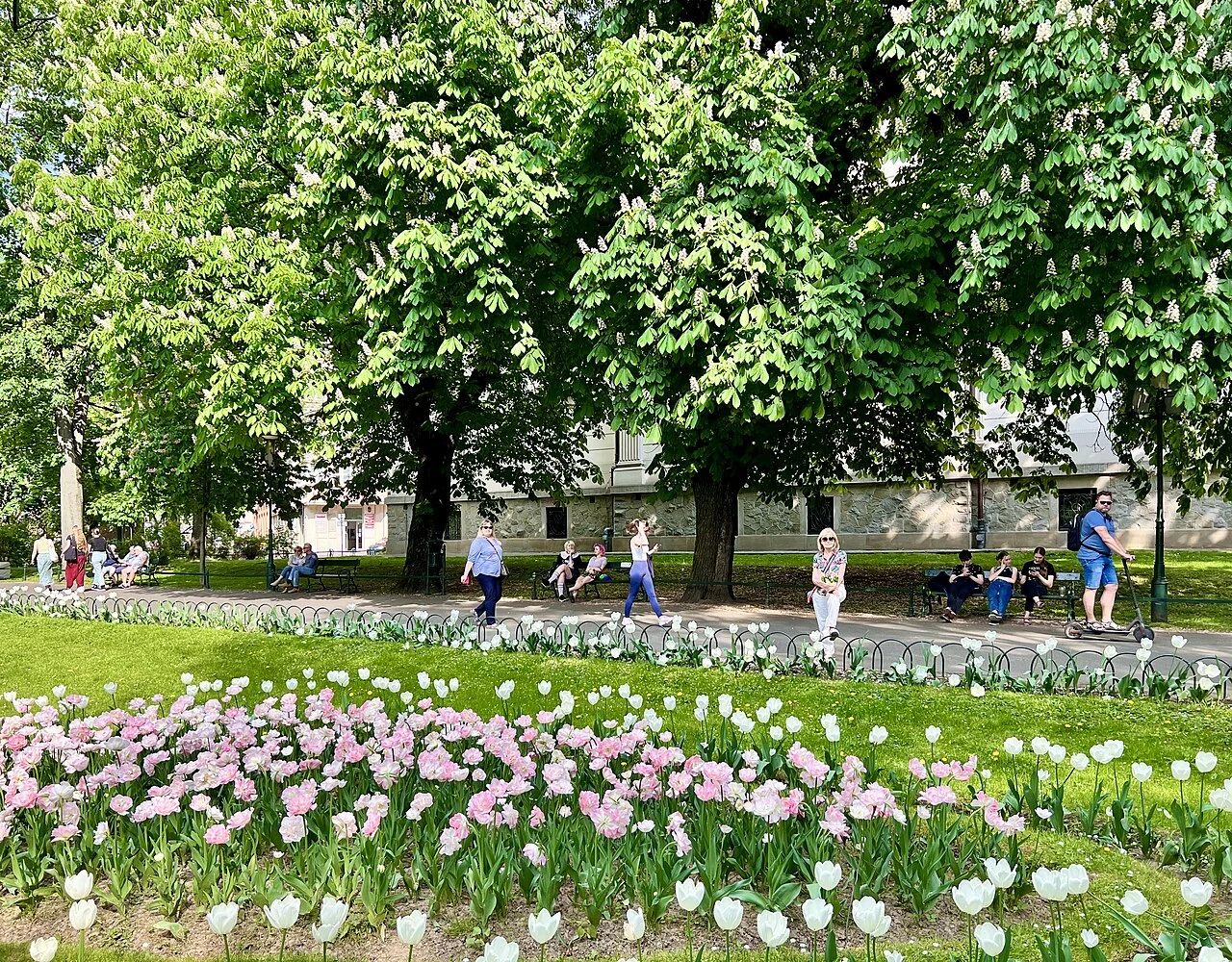
Photograph: Spring in Planty Park, Kraków, May 2022, 02.jpg by Kgbo, CC BY-SA 4.0. Resized and converted to WebP; no crop.

FAQ
Is one day enough for Krakow?
It can be enough for a focused Old Town introduction. Pick one main interior or guided walk and accept that other districts and excursions may be left out. Your priorities decide whether that scope is satisfying.
Are three nights the same as three sightseeing days?
No. Count the time after reaching your base and before leaving for departure. Late arrival and early departure can leave only two full middle days.
Should I add a day for Wieliczka or Auschwitz?
Treat either as a separate excursion choice with its own entry and transfer arrangements. Adding a usable day preserves more city time. If you keep a shorter stay, decide explicitly which city activities it replaces.
Do I need four days?
Only if the extra time supports your interests, pace or a second outside visit. A longer stay can create flexibility, but there is no requirement to fill it with more paid entries.