
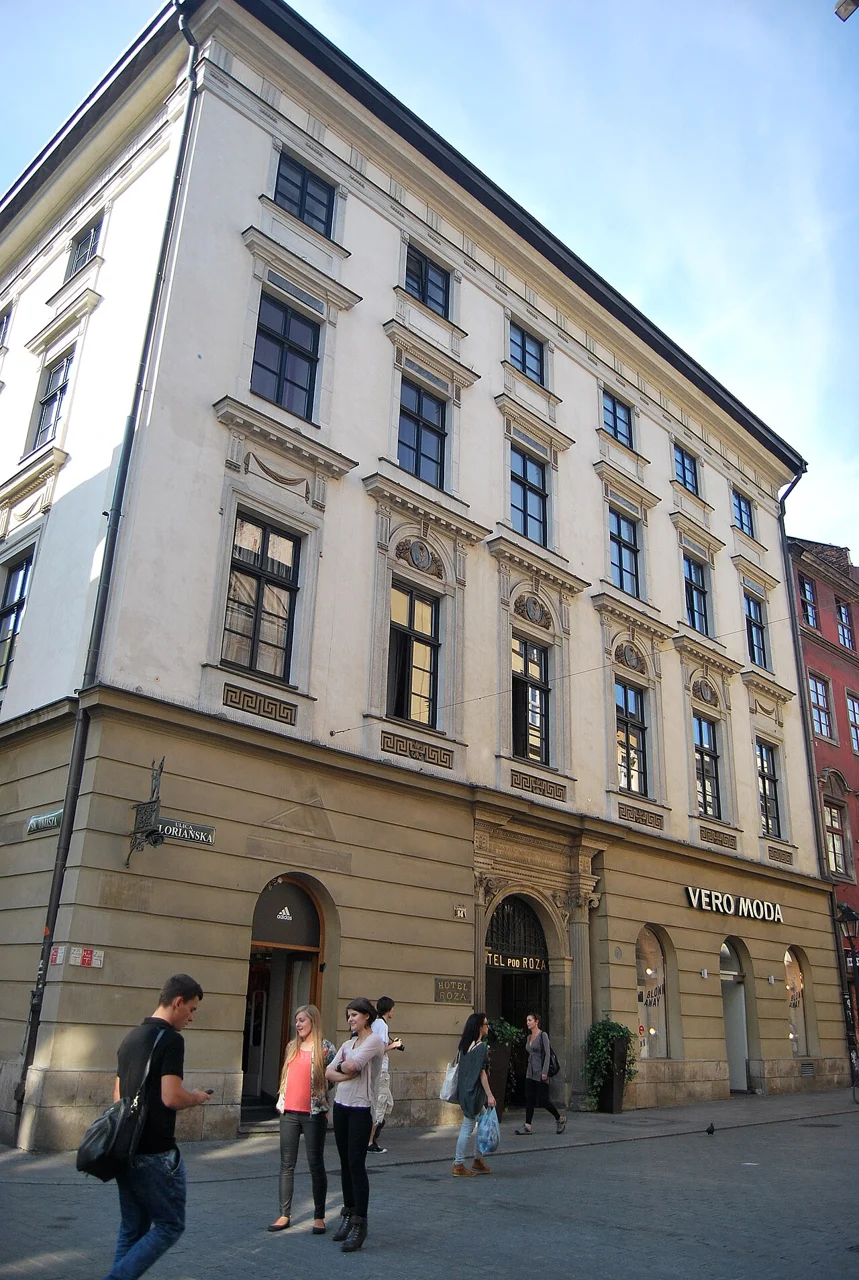

Krakow hotels
Krakow hotel comparison
- Best for
- Visitors who have chosen a district and want dated room and rate comparisons
- Trade-off
- The list covers the whole city; check the map, room category and cancellation terms before choosing
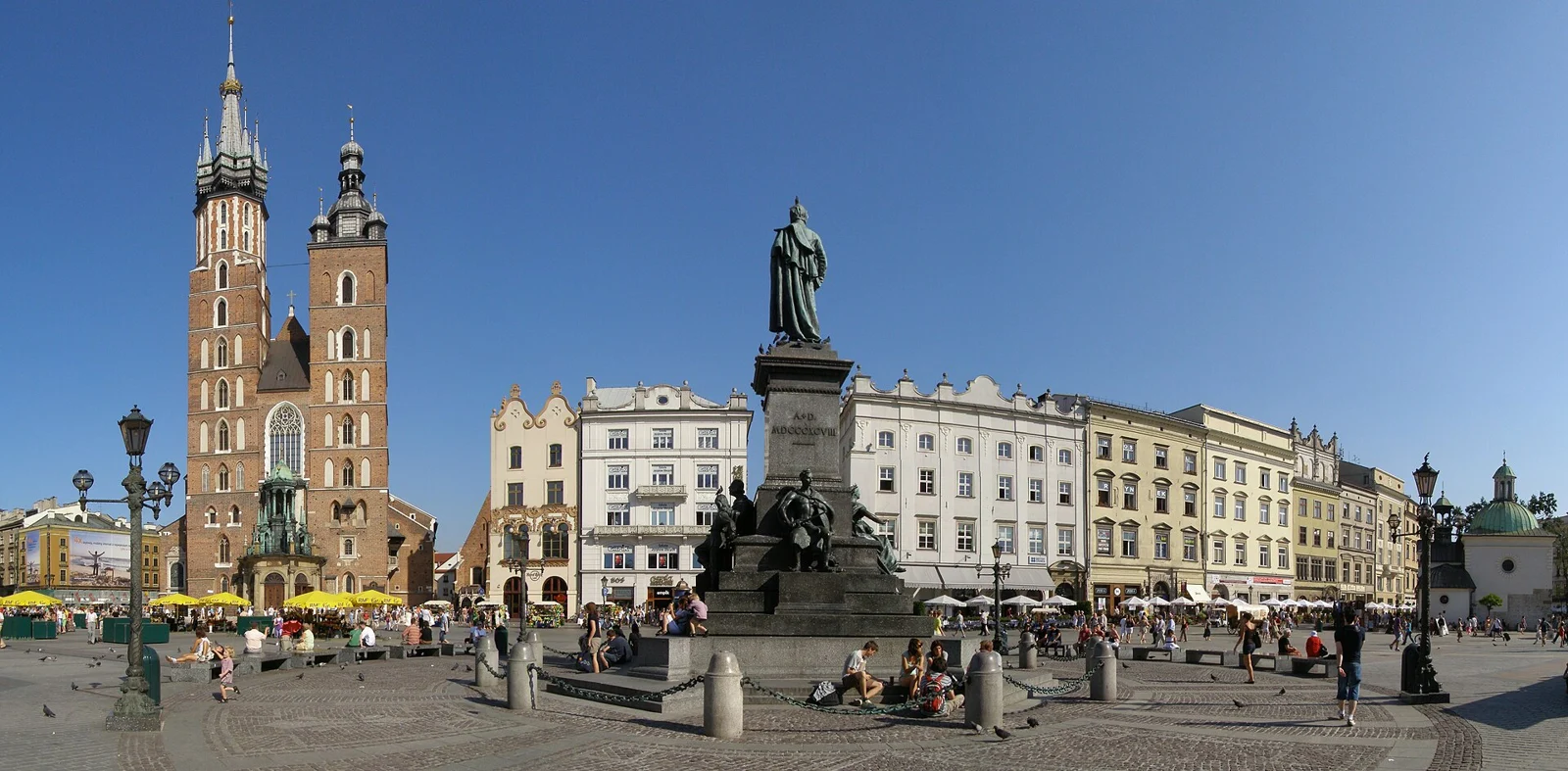
Krakow Old Town is easiest to enjoy when you separate the open streets from the visits that need a ticket. Start with the Main Market Square, use the surrounding lanes to find your bearings, then choose a museum, church visit or walk that fits your day. You don't need to buy a tour to see the square. You do need to check individual entry rules before building a tight schedule around interiors.
Krakow hotel comparison
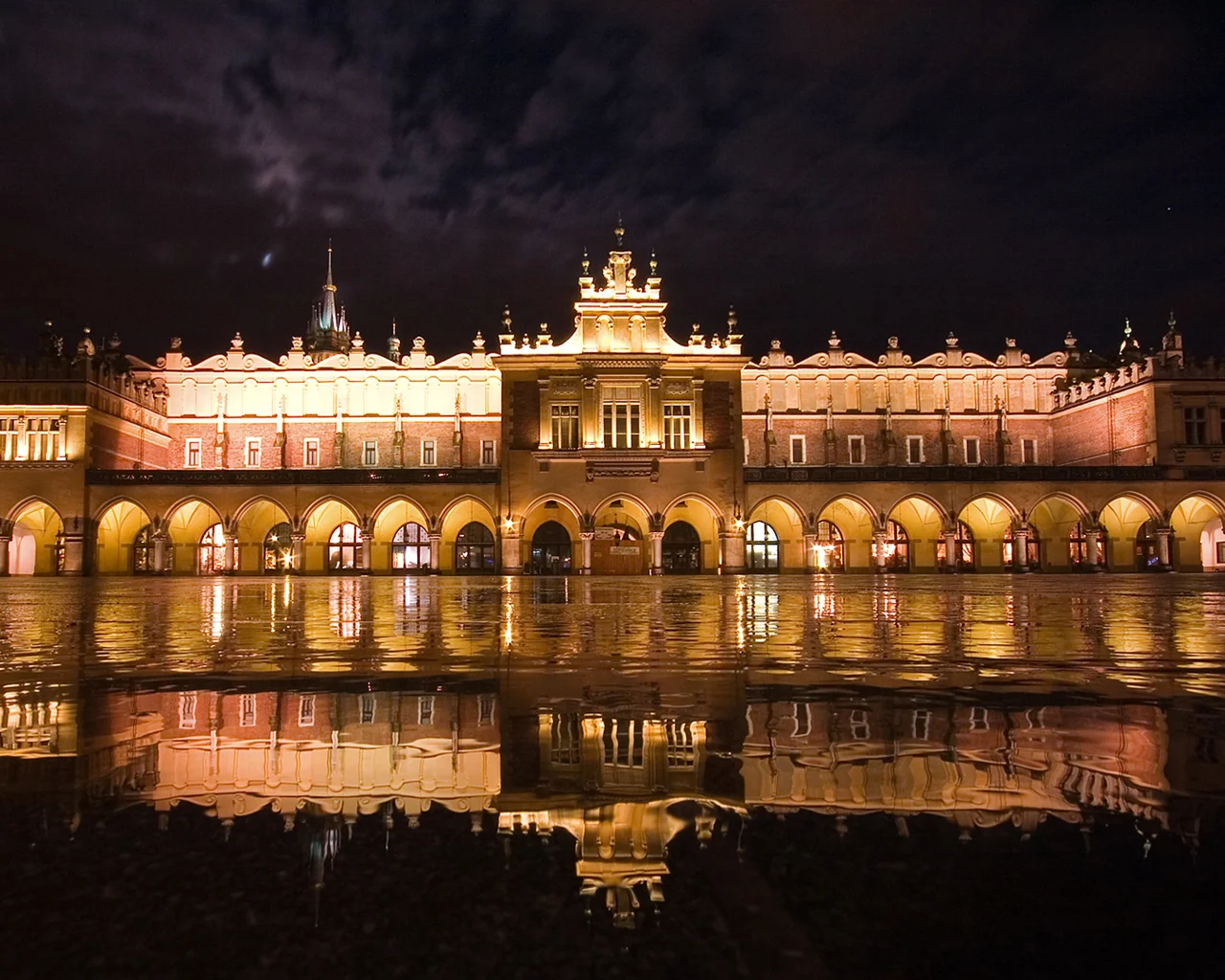
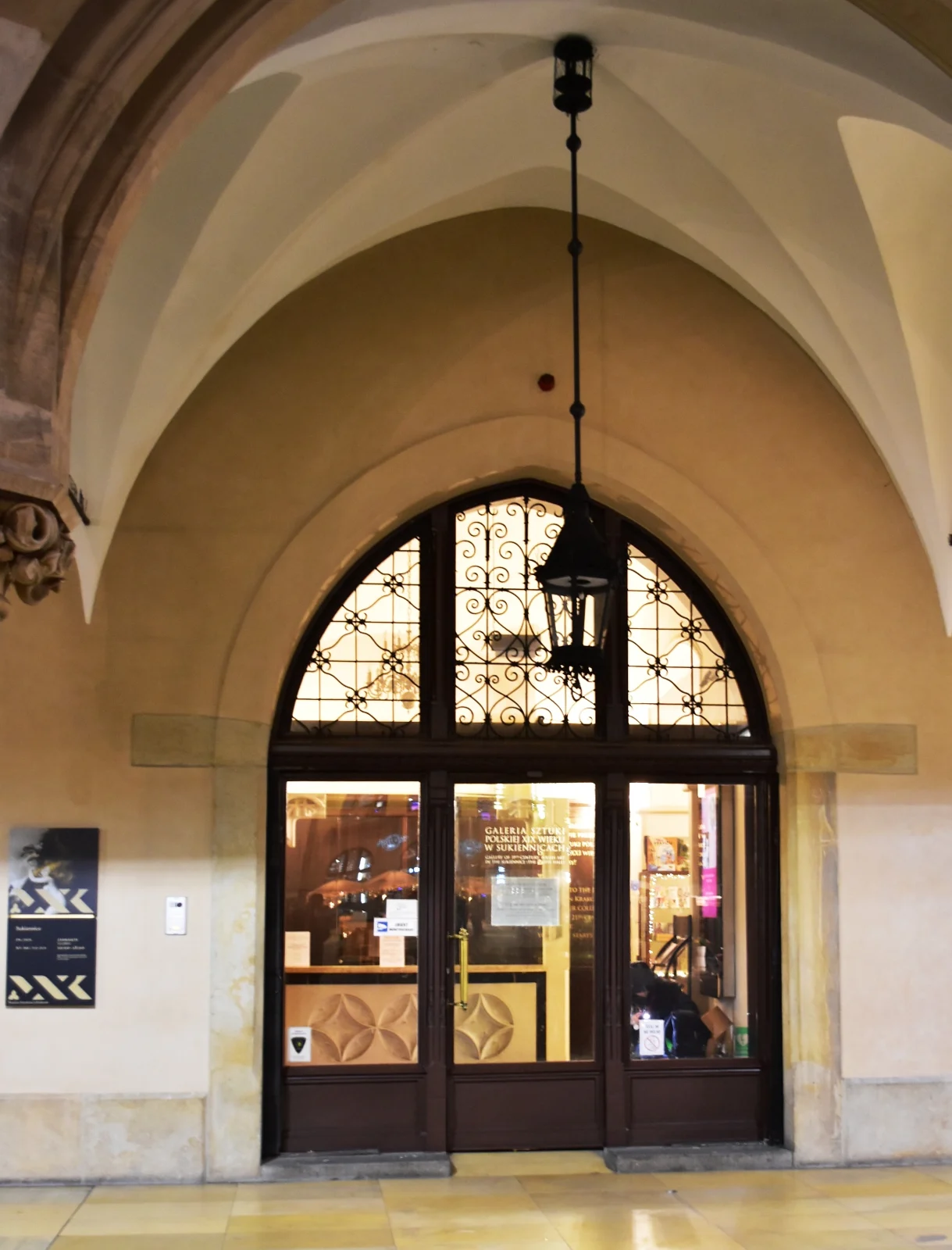
Visit MNK Sukiennice with its own entry and access checks.
Plan this visit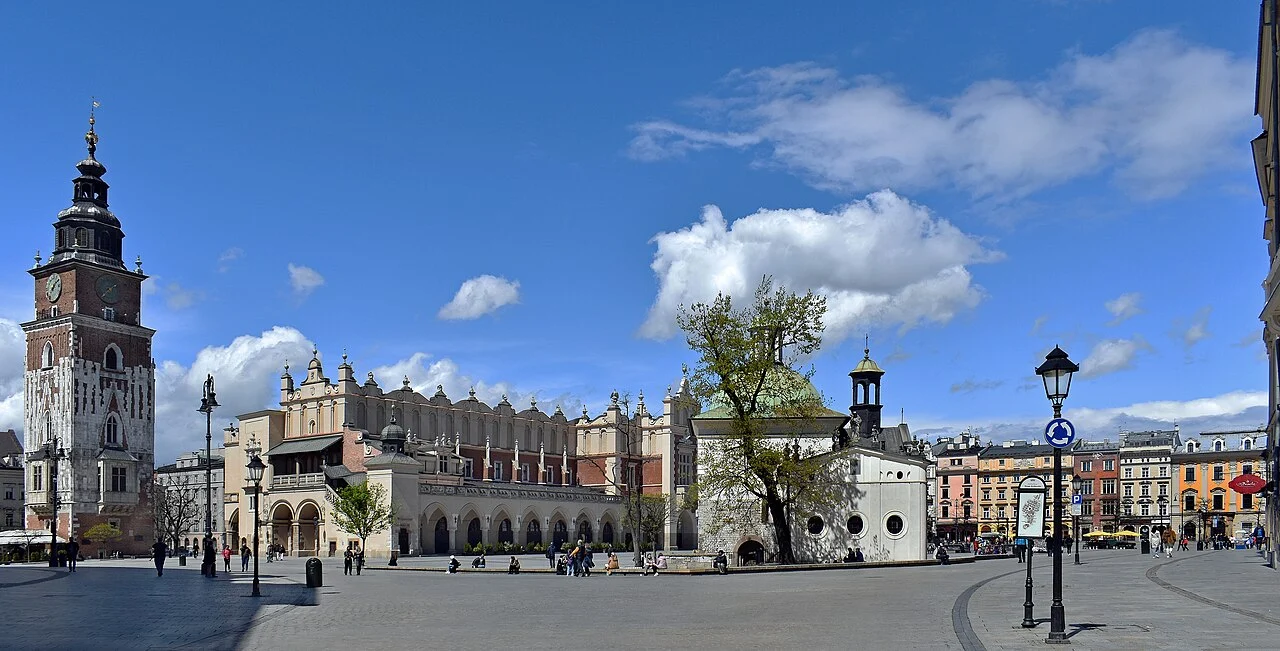
Old Town is called Stare Miasto in Polish. It is the old centre around Rynek Główny. The square is a good place to learn the streets. The Cloth Hall stands within it. St Mary's Basilica faces it.
The Town Hall Tower gives you another point to recognise. This is a place to walk through. It isn't one attraction with one entrance or a shared ticket.
That distinction helps with both time and cost. A walk around the square can fit into the gap before a booked museum visit. A tower climb needs its own entry check. A church may have separate arrangements for worship and sightseeing. Don't assume that a ticket sold under a broad city name admits you to every building you can see from the same pavement.
The UNESCO property record describes the Historic Centre of Kraków as a wider site that includes the medieval town, Wawel and Kazimierz. That is broader than the compact Old Town area most visitors mean when they talk about staying near the square. Use the place name on your hotel address and the building entrance on your ticket, rather than treating all these areas as the same location.
Choose your first task before choosing a ticket:
| Your priority | Useful starting point | What to check next |
|---|---|---|
| Get your bearings | Main Market Square and nearby streets | A street map and where your walk will end |
| See a named interior | The venue's own visitor information | Entry time and entrance; any separate ticket |
| Find a place to stay | Your exact accommodation address | Noise, luggage access and the arrival route |
| Take a guided walk | The walk's meeting point and subject | Language, duration and payment terms |
| Leave the city for a day | The destination's entry rules | Transport, return arrangements and physical needs |
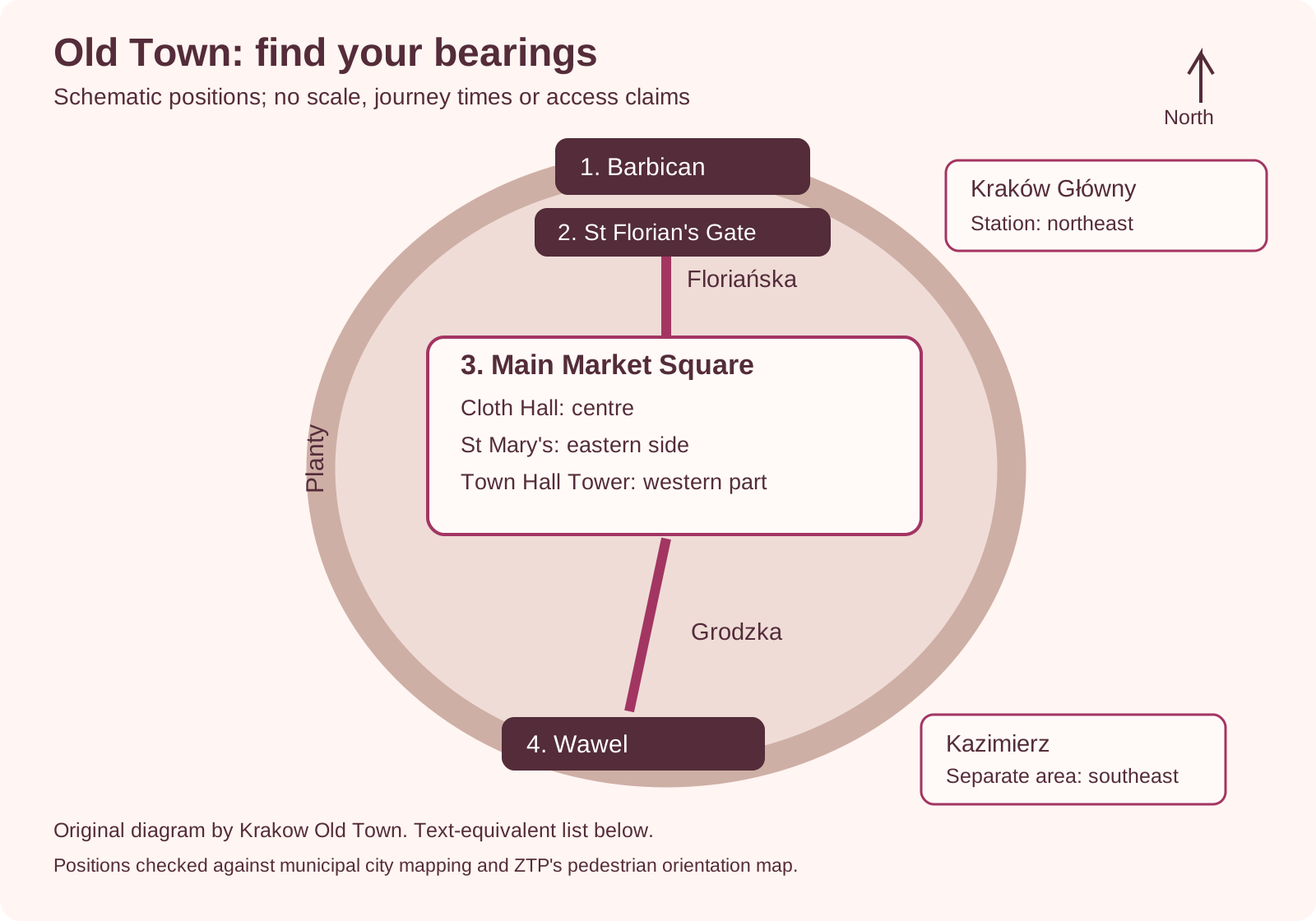
The diagram's text equivalent is simple: the Barbican and St Florian's Gate lie north of the square. Floriańska connects that approach to the square. The Cloth Hall is central, St Mary's is on the eastern side and Town Hall Tower in the western part. Grodzka leads south toward Wawel, while Planty frames the old core. The station is northeast of the core and Kazimierz farther southeast.
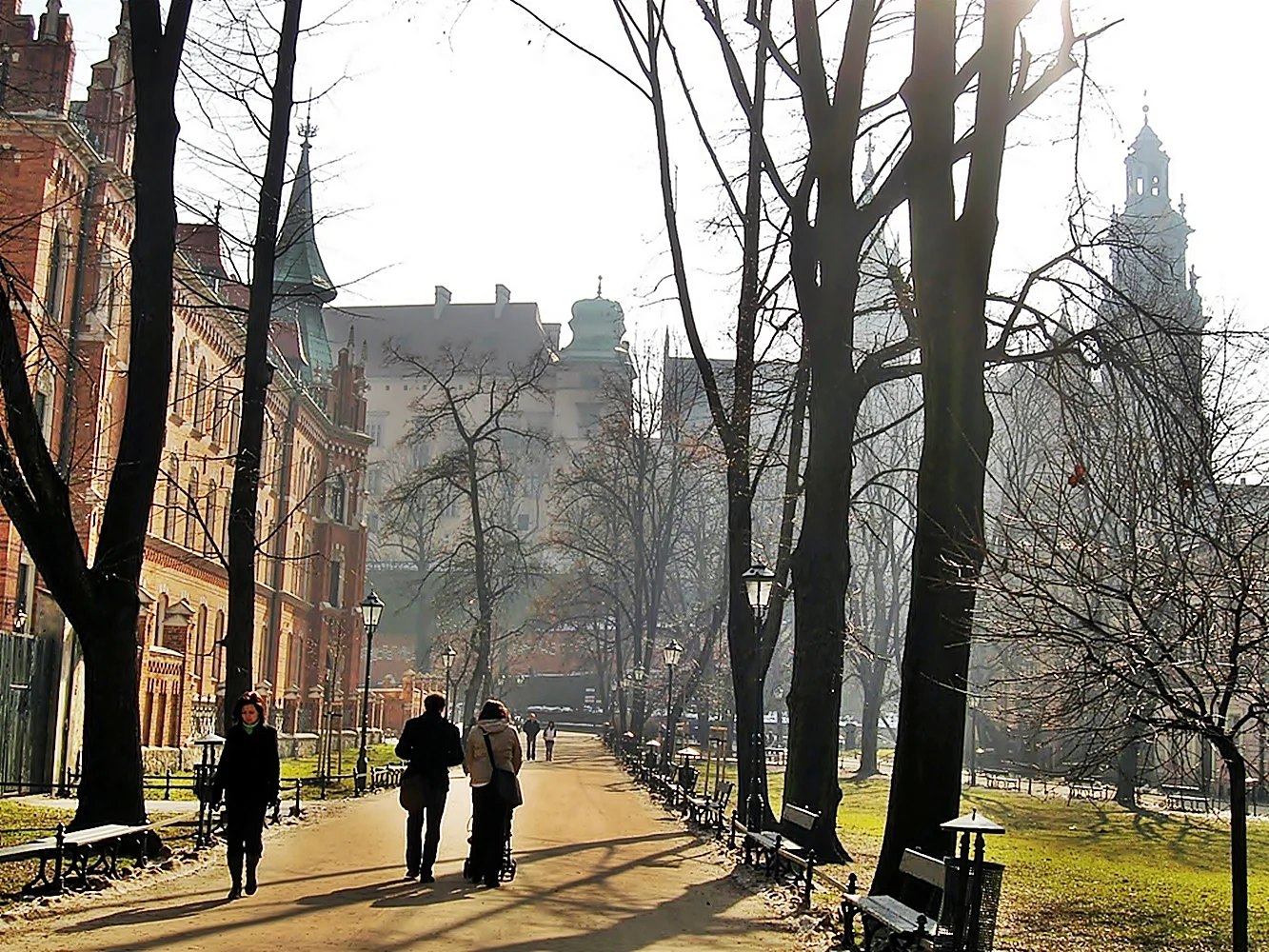
Planty provides a practical boundary around much of the compact old centre. Its green paths help you move between streets without retracing the square each time. Treat it as an orientation aid, rather than a promise that every path is equally smooth or every crossing is step-free. A map shows the street pattern; it can't tell you whether temporary works affect the pavement on your travel date.
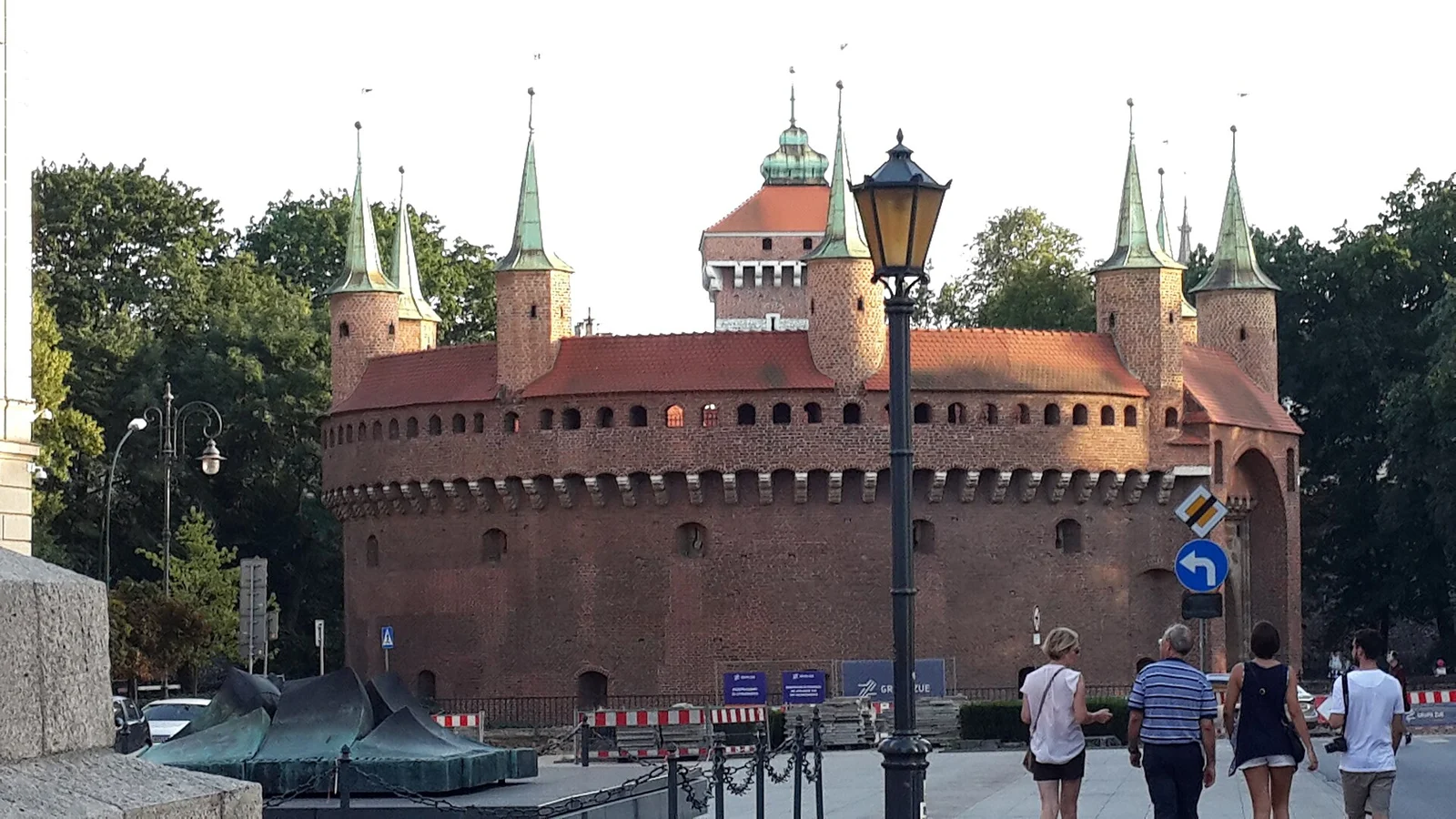
At the northern side, look for the Barbican and the surviving gate. They mark the approach into Old Town. From there, Floriańska leads towards the square. On the southern side, Grodzka takes you towards Wawel. Save these names before you arrive.
They help you check a route when a tour listing says only “historic centre”.
Use our Old Town map to connect these points and the Planty Park guide for a green alternative to the busiest lanes. If you're arriving from the north, the Barbican guide helps you separate seeing the exterior from entering the museum space.
Kazimierz is a separate area to the south-east of the Old Town core. Wawel is a distinct visit too. Its buildings have their own entry rules. You can include either in a walking day. Count the walk between them as part of that day.
Don't choose a distant hotel just because a search result calls the area historic.
Explore visit optionsRynek Główny works well as the place you return to between visits. You can pause, compare your next stop with the ticket time and decide whether to keep walking or go indoors. The Main Market Square guide explains that first decision. Take time to see the buildings from street level before choosing a climb or paid visit.
The Cloth Hall has more than one visitor task. Walking through the trading area is different from going to the art museum above it. Read the Cloth Hall guide for the building and shopping, and the Cloth Hall museum guide for the collection and admission checks. A photograph of the same facade doesn't mean those experiences use the same ticket.
St Mary's Basilica also needs a little care in planning. The church visitor guide deals with entry to the church. The basilica tower guide deals with the separate climb. If stairs are a concern, don't use a general description of the church as evidence that the tower will suit you.
For another square-side climb, see the Town Hall Tower guide. For an indoor visit below the square, use the Rynek Underground Museum guide. Pick the kind of visit you want first: an outdoor view, a collection, a climb or an exhibition. Then check the exact booking category. This avoids buying a ticket because a landmark name looks familiar.
The Czartoryski Museum guide and Franciscan Basilica guide give you further indoor choices. If your walk continues south, the Wawel Cathedral guide explains a different set of admission decisions. Leave enough room between timed visits to find the entrance and take a break.
A first walk can be simple. Enter from the northern gate area and follow Floriańska to the square. Continue along Grodzka towards Wawel. This is a suggested route. It is not an access survey or a promise that it fits everyone.
Add stops to suit your pace. Use the weather and the opening details you've checked to decide when to go inside.
Avoid building the whole walk around exact arrival times. The square invites pauses. Museum entrances take time to find. A coffee stop can be part of the visit too.
Set a clear start and pick the stops you most want. Know where you will finish. Keep the less important sights optional.
If you want a guide, our walking tour choices explain how to compare the subject, meeting point, language and payment model. A walk described as free can still involve tips or other terms. Read what the operator actually says before assuming there will be no payment. An independent walk is a valid alternative when you'd rather stop and start at your own pace.
Choose between an orientation walk and a museum day with the Krakow attractions guide. The free things to do guide is useful when you want to keep the day focused on public streets and outdoor spaces. These choices don't depend on booking a package.
For more context without turning the day into a list of dates, read the Krakow history guide. For collection-led visits, start with the museum guide. Schindler's Factory is a separate venue outside the compact square area; its visitor guide covers booking, getting there and what to expect from the visit.
Choose a base by the tasks you expect to repeat. If you'll walk into the square each morning, compare the exact walking route from the property. If you'll arrive late with luggage, compare how you will reach its door. A central address can be useful, but the phrase “Old Town hotel” doesn't establish the distance, entrance, room outlook or noise level of a particular room.
The square-facing choice and a quieter side street can suit different stays. A room near busy outdoor tables may be convenient for evening meals but less appealing if you need an early night. A courtyard room may have a different outlook from a street room in the same building. These are questions to ask the property, rather than qualities to infer from its star category.
Use where to stay in Krakow to compare areas before comparing rooms. Then check the chosen property's own room descriptions, access details and booking terms. If lift access matters, ask about the full route from the street to the room. An old building with a lift can still have steps elsewhere. Don't rely on a small accessibility icon without reading what it covers.
Luggage changes how a route feels. An appealing pedestrian lane can be awkward with heavy bags. Ask where a taxi or transfer can legally stop, how far you'll need to walk and whether reception is open when you arrive. If your return trip leaves early, plan that departure before choosing a room whose location only works for leisurely sightseeing.
Put the arrival route in your phone before travel, including the exact accommodation address. Save enough detail to use it without a mobile signal. A station name is only part of the route: you still need the exit, street crossing and final walk. Check live transport notices close to departure rather than relying on a timetable copied into a travel article.
Pack shoes that suit city walking and a layer for the day you expect. Cobbles, stairs and long museum visits make footwear a practical choice. If you have limited walking tolerance, set a shorter route with a planned pause. Don't assume that a compact map means every stop is easy to reach. A short walk and a long queue can still make a tiring morning.
Keep public spaces and ticketed visits separate. You may be able to enter a square while the museum beside it is shut. A church may be open for worship while sightseeing entry is closed. Check each venue's own page. Follow the signs and staff instructions when you arrive.
For meals, leave space between a reservation and the next timed visit. Menus, opening days and dietary details are best checked with the restaurant. Ask directly about ingredients or cross-contact if these matter to you. A general list of traditional foods can't establish what a particular kitchen can serve safely.
For spending, work from the cost of the trip you've chosen. Put the room and meals on separate lines. Add paid visits and trips too. Don't judge the whole city by one cafe price. Check the total and refund terms before you compare two room rates.
If you're travelling with children, keep the first walk short. Pick one place to go inside and leave room for a snack. A long day with several queues can be harder than the map suggests. Ask about toilets before you join a timed visit. Choose a place to pause before anyone needs it.
For a mixed group, use the pace of the person who walks least. A tower can be an optional stop for part of the group. Agree where to meet afterwards. Don't ask someone to wait in an unknown place while the rest of the group leaves. A cafe you have already found makes a better meeting point.
If rain starts, use the indoor visit you most want. Keep the rest of the walk for later. Don't buy a second ticket just to fill a gap if you won't enjoy the visit. A break near the square may be a better use of that time.
For the return, leave a clear route back to your room. Save the address as well as the property name. This helps if you need a taxi or ask someone for directions. Keep your phone charged for the return.
Save the ticket details and any instructions for late entry to your room too. A screenshot can help when the booking app will not load. A flexible plan still needs a clear finish.
Leave the compact centre only when the excursion fits your time and interests. A day trip can use a large part of the available day even if the destination looks close on a regional map. Count entry arrangements, the last stretch from the stop to the door, and the return as well as the main ride.
The day trip comparison helps you choose between destinations. Treat a combined excursion as a schedule decision: less organising can come with less freedom to pause. Compare the actual itinerary and entry inclusions. Don't assume a listing title confirms the guide language, the full route or the time you'll spend at each place.
For the salt mine, begin with the Wieliczka Salt Mine guide. The route you choose affects the entrance, physical requirements and what happens underground. Choose that route before booking a transfer. Travel to the town and admission to the mine are separate tasks unless the seller explicitly includes both.
For an Auschwitz visit, use the entry and reservation guide. It covers official booking and arrival, plus what to bring. Compare transport and entry separately. Check which parts a departure package includes. Read the rules for your date, including the reservation and identification requirements.
Don't put an excursion into a day that already has several fixed Old Town bookings. A separate day gives you more room to handle transport delays. If your stay is short, choose the most important destination and keep an alternative in the city. Missing a less important stop is usually better than losing the entry you most wanted.
The terms can describe different areas. Old Town usually means the compact centre around the Main Market Square. UNESCO's Historic Centre of Kraków property also includes Wawel and Kazimierz. For booking purposes, use the exact address and entrance rather than assuming every place described as historic is beside the square.
You don't need a general Old Town ticket to walk its public streets and see the square. Individual museums and towers, along with other visitor areas have their own entry arrangements. Check each venue if you want to go inside. A city pass or tour ticket should be judged by its stated inclusions.
Yes. An independent walk lets you choose your stops and take breaks when you want. Use a clear route and check any interior bookings separately. A guided walk can add context and a set itinerary, but compare its meeting point, subject, language and payment terms before deciding that it suits your day.
It can be convenient for walking, but the exact street and room matter more than the broad label. Check the route from your arrival point, possible evening noise, lift access and reception arrangements. Compare those facts with your priorities before paying more for an address that looks central on a map.
Make Krakow Old Town the part of your trip you can enjoy at your own pace. Start with the square, choose a few interiors deliberately and keep the rest of the walk flexible. Settle your accommodation and arrival route before adding excursions. A clear plan for the visits you most want leaves room for the streets between them.


